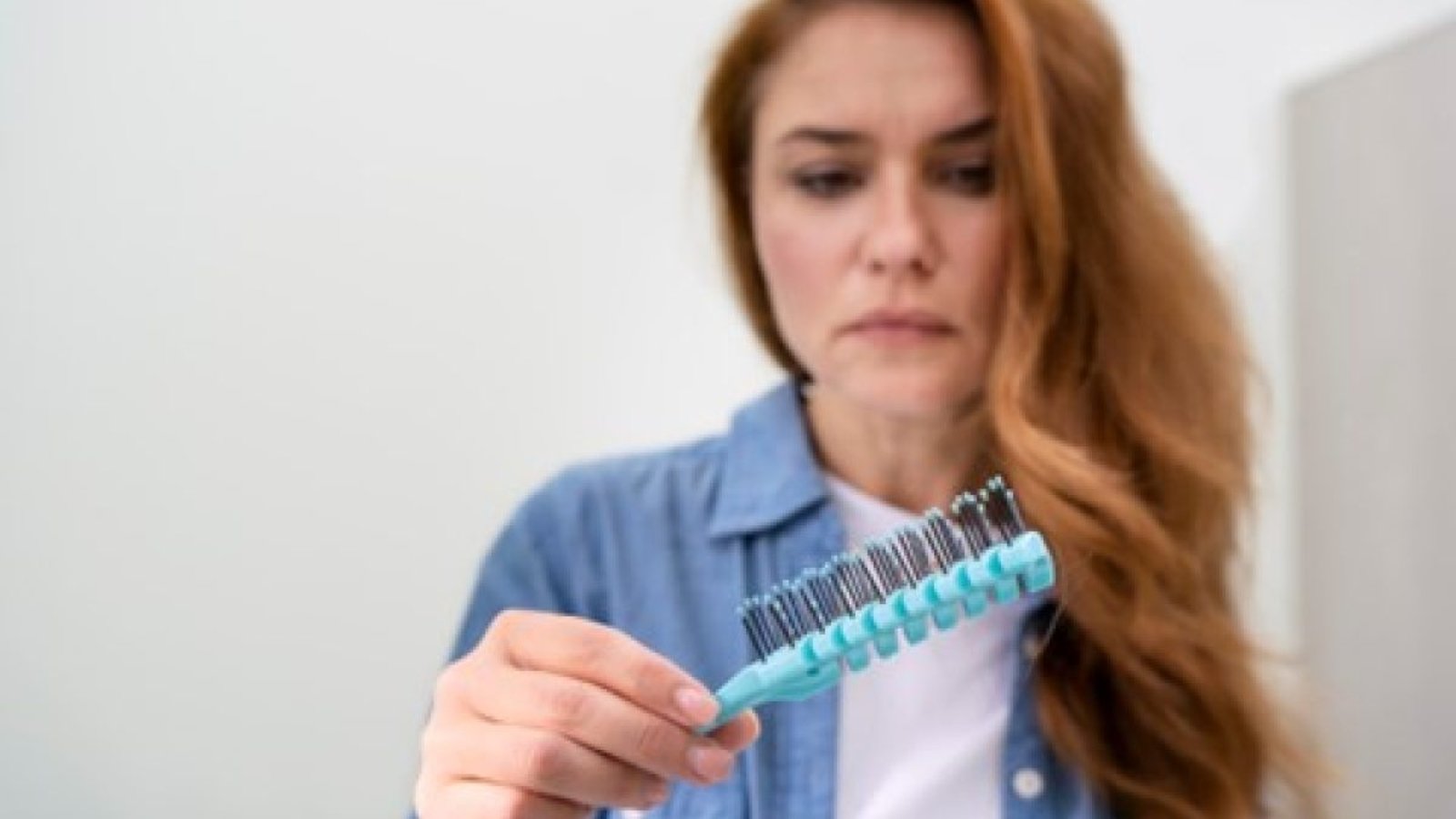
Hair loss, also known as alopecia, is a common concern affecting millions worldwide. It can be a distressing experience, impacting self-esteem and confidence. Let’s delve into the various aspects of hair loss and get valuable insights to help navigate this challenge.
Causes of Hair Loss:
Several factors can contribute to hair loss.
- Genetics plays a significant role, as a family history of hair loss can increase the risk.
- Hormonal changes during pregnancy, menopause, or thyroid disorders, can also lead to hair loss.
- Certain medical conditions, medications, and chronic illnesses may contribute to hair shedding.
Treatments for Hair Loss:
Numerous treatments can address hair loss based on the underlying cause:
- Topical medications like minoxidil are commonly used to stimulate hair growth. Finasteride, an oral medication, is effective for male pattern baldness.
- Growth Factor Concentrate (GFC) therapy and Platelet-Rich Plasma (PRP) injections can promote hair regrowth by harnessing the body’s natural healing abilities.
- Low-Level Laser Therapy (LLLT): LLLT is a non-invasive treatment using low-level lasers to stimulate hair follicles and promote hair growth. It is safe and painless, with minimal side effects.
- Hair Transplantation: It is a surgical procedure where hair follicles from the back or sides of the scalp are transplanted to areas of hair loss. It provides natural-looking, permanent results for suitable candidates.
Alternate strategies to manage hair loss:
- Scalp Care and Hair Products: Proper scalp care and hair products are essential for maintaining healthy hair. Avoid harsh chemicals, excessive heat, and tight hairstyles that can damage the hair and scalp.
- Nutrition for Healthy Hair: A well balanced diet rich in essential nutrients like biotin, iron, zinc, vitamins, and proteins is vital for healthy hair. Foods like eggs, nuts, leafy greens, and fish can promote hair growth and strengthen hair shafts.
- Stress Management: Chronic stress can exacerbate hair loss. Managing stress with activities like exercise, meditation, and hobbies can positively impact hair health.
- Lifestyle Changes: Adopting a healthy lifestyle with regular exercise, sufficient sleep, and avoiding smoking can contribute to overall well-being, including hair health.
When to Seek Professional Help:
If you are experiencing persistent or excessive hair loss, consulting a healthcare professional or a dermatologist is essential. An expert can diagnose the root cause of your hair loss and recommend appropriate treatment options.
Hair loss can be a challenging and overwhelming experience, but with the right knowledge and approach, it can be managed effectively.
SEO Keywords: hair loss, alopecia, causes of hair loss, treatment for hair loss, hair regrowth, hair transplant, low-level laser therapy, scalp care, nutrition for healthy hair, stress management.